You know you have rheumatoid arthritis when ‘moaning in bed’ no longer means what it once used to.
http://www.rheumatoidarthritisguy.com/2011/06/you-know-you-have-rheumatoid-arthritis-when/ – Read more →
You know you have rheumatoid arthritis when the decision of what to put on your toast is determined by which jar has the loosest lid.
http://www.rheumatoidarthritisguy.com/2011/06/you-know-you-have-rheumatoid-arthritis-when/ – Read more →
You know you have rheumatoid arthritis when a thoroughly productive day means you only took three naps.
http://www.rheumatoidarthritisguy.com/2011/06/you-know-you-have-rheumatoid-arthritis-when/ – Read more →
You know you have rheumatoid arthritis when you hope your boyfriend will put your bra *ON*.
http://www.rheumatoidarthritisguy.com/2011/06/you-know-you-have-rheumatoid-arthritis-when/ – Read more →
You know you have rheumatoid arthritis when you can no longer smell the menthol in your pain relief gels, yet everyone around you is dropping like flies.
http://www.rheumatoidarthritisguy.com/2011/06/you-know-you-have-rheumatoid-arthritis-when/ – Read more →
You know you have rheumatoid arthritis when you take your dog out for a sit.
http://www.rheumatoidarthritisguy.com/2011/06/you-know-you-have-rheumatoid-arthritis-when/ – Read more →
You know you have rheumatoid arthritis when ‘waking up’ and ‘getting out of bed’ are two very different things.
http://www.rheumatoidarthritisguy.com/2011/06/you-know-you-have-rheumatoid-arthritis-when/ – Read more →
You know you have rheumatoid arthritis when you start sitting through the Justin Bieber videos because you don’t have the strength to pick up the remote control.
http://www.rheumatoidarthritisguy.com/2011/06/you-know-you-have-rheumatoid-arthritis-when/ – Read more →
You know you have rheumatoid arthritis when every time you play tug-of-war, the dog wins.
http://www.rheumatoidarthritisguy.com/2011/06/you-know-you-have-rheumatoid-arthritis-when/ – Read more →
You know you have rheumatoid arthritis when your husband brings drinks for the family, the toddler gets a regular glass and you get a sippy cup.
http://www.rheumatoidarthritisguy.com/2011/06/you-know-you-have-rheumatoid-arthritis-when/ – Read more →
You know you have rheumatoid arthritis when by the time you finally reach a standing position, you forget why you were even moving in the first place.
http://www.rheumatoidarthritisguy.com/2011/06/you-know-you-have-rheumatoid-arthritis-when/ – Read more →
You know you have rheumatoid arthritis when you recognize half of the medicines, diseases, and treatments mentioned in any one episode of House, M.D.
http://www.rheumatoidarthritisguy.com/2011/06/you-know-you-have-rheumatoid-arthritis-when/ – Read more →
You know you have rheumatoid arthritis when you finally roll/stumble/fall out of bed at 12 noon, and everyone asks what you’re doing up so early.
http://www.rheumatoidarthritisguy.com/2011/06/you-know-you-have-rheumatoid-arthritis-when/ – Read more →
You know you have rheumatoid arthritis when double dares start to involve things such as knee squats, running up the stairs, and lifting a gallon of milk.
http://www.rheumatoidarthritisguy.com/2011/06/you-know-you-have-rheumatoid-arthritis-when/ – Read more →
You know you have rheumatoid arthritis when you declare everything below your knees ‘not your business’ and move all your clothing up higher in the dresser.
http://www.rheumatoidarthritisguy.com/2011/06/you-know-you-have-rheumatoid-arthritis-when/ – Read more →
You know you have rheumatoid arthritis when the snap, crackle, pop isn’t coming from your cereal bowl.
http://www.rheumatoidarthritisguy.com/2011/06/you-know-you-have-rheumatoid-arthritis-when/ – Read more →



















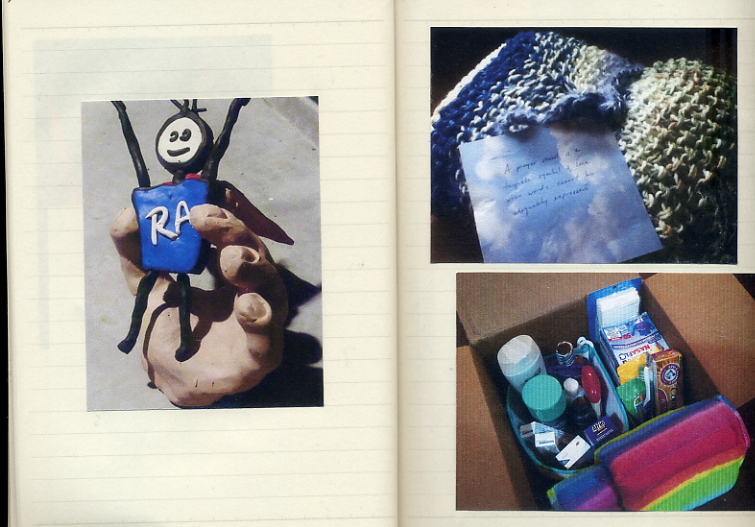









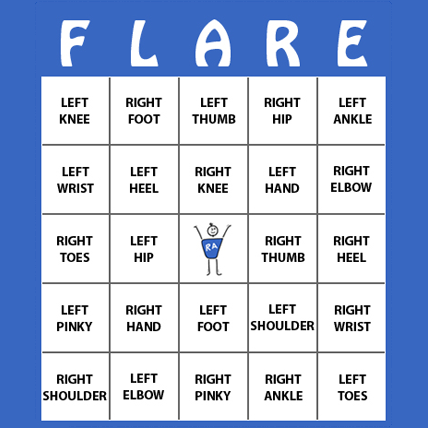

 To celebrate the first anniversary of Show Us Your Hands! as a non-profit, the Board of Directors is writing a series of blog posts about the past year. Each of us writes about a different topic, relevant to us as individuals, to the organization and to the community. We welcome your comments and hope you’ll share these posts with others to continue the conversation. Eduardo Flores, President, closes the report by taking the broader look at our goal of uniting the inflammatory arthritis community and what this means for the future of Show Us Your Hands!